

Metal vs. Tile Roofs: Which is Better for Your Home in Pune or Mumbai?
When you're looking at re-roofing your home in Pune or Mumbai (or building one), one of the big decisions is: Should you go with a metal roof or a tile roof (clay / terracotta or concrete)? The local climate, construction practices, aesthetics, cost, and long-term maintenance all play a role. In this blog we'll dive deep into both options, compare their pros and cons for the Indian context (especially Maharashtra), and help you decide what's best for your home.
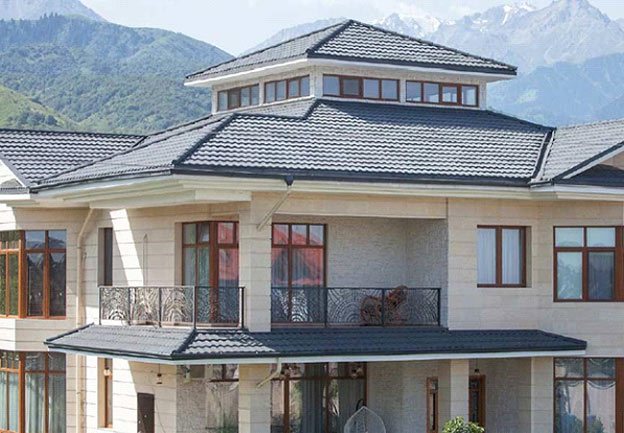
Why this matters in Pune / Mumbai
Pune and Mumbai present a set of roofing challenges and opportunities:
- Heavy monsoon rains, often with intense downpours and strong winds.
- Hot and humid summers, especially in the coastal belt (Mumbai), and warm dry summers (Pune).
- Urban plots, often with constraints on weight, structural load, visual appeal, and future maintenance.
- Aesthetic as well as practical expectations — many homeowners want something that looks good, lasts long, and doesn't become a constant headache.
So your roof has to do more than just “cover the house” — it must withstand heavy rains, resist leakage, manage heat gain, be reasonably light (so as not to overload the structure), and look appropriate for the locality.
With that in mind, let's look at both options side by side.
What is a “tile roof”?
Here tile roof refers to roofs covered with traditional roofing tiles — typically terracotta/clay tiles, sometimes concrete tiles, or “Mangalore-style” tiles in this region. These tiles are laid individually (or in overlapping courses) on a roof deck, supported by rafters/trusses.
Key features of tile roofs
- They are heavy compared to most metal sheet systems (the tile + mortar/support weight adds up).
- They are naturally ventilating to some degree because the tile shape often allows air gaps/overlaps.
- They tend to have good thermal mass — i.e., the heavy tile and underlying structure help moderate heat gain.
- They are time-tested in Indian conditions, especially older homes.
Disadvantages of tile roofs
- Aesthetic appeal: The look of clay/terracotta tiles is classic and often considered “premium”.
- Thermal performance: Because of the thickness and mass, they can help reduce heat transmission to some degree.
- Sound insulation: Tiles can help dampen noise from rain, etc, better than thin sheets in some cases.
- Durability: If well installed and maintained, they can last decades.
Advantages of tile roofs
- Weight: They place a high load on the structure (rafters/trusses). For older homes or homes not initially designed for heavy roofing, you may need structural reinforcement.
- Installation complexity and cost: Because the tiles are heavy and fragile (many clay tiles can crack), installing takes more care and more skilled labour.
- Maintenance: Over time tiles can crack, shift, allow leakage if the underlayment fails, or mortar wash out in heavy rains. Particularly in monsoon-heavy zones like Mumbai they may require more frequent checks.
- Less flexibility for some modern lightweight roofs: If you're building something with less structural allowance for heavy roof, tile may limit you.
What is a “metal roof”?
In the Indian context, “metal roof” can mean several things—from corrugated steel sheets, stone-coated metal roof tiles (metal panels with a coating mimicking tile), to standing-seam metal roofing. For many homes in India, a popular variant is stone-coated metal roof tiles (which look like tiles but are lightweight metal) or profile metal sheets.
Key features of metal roofs
- Much lighter compared to traditional tile roofs.
- High durability if good quality material (galvanised/coated steel, aluminium, etc).
- Often faster installation, less structural reinforcement needed.
- Can have good reflectivity (i.e., colours/coatings that reflect solar heat) which helps in hot climates.
Advantages of metal roofs
- Lightweight and easier structural support: Because the panels weigh less, one can reduce load on the building. Useful for retrofit or homes on older structures.
- Durability and weather-resistance: Good metal roofs are resistant to weather, wind, and corrosion if appropriately coated.
- Lower maintenance: Fewer broken parts, fewer tiles to replace or shift
- Quick installation: Since they are lighter, installation is often faster, which reduces labour/time cost.
- Energy efficiency (potentially): Reflective coatings can reduce heat absorption. For hot Indian cities like Mumbai, that's a plus.
Disadvantages of metal roofs
- Higher initial cost (sometimes): Depending on the metal type and finish, the upfront cost may be higher than a basic tile roof.
- Noise: Rain or hail on metal sheets can be louder than on tile or concrete. Unless insulation is provided.
- Thermal conduction: Since metal is a good conductor, without proper insulation it may transmit more heat into the house during hot days. Some tile roofs with heavy mass may fare better here.
- Appearance and authenticity: Some homeowners feel metal roofs don't offer the “luxury” or traditional aesthetic of clay tile—though stone-coated metal comes close.
What about in the Pune/Mumbai region — special factors to consider
1. Heavy monsoon & rainfall
Mumbai and the western coast of Maharashtra get intense rainfall. Roofs must be waterproof, with good drainage, and able to handle load (when rain accumulates). Metal roofs (especially well-sealed) tend to perform well with rapid drainage due to their smooth surfaces and lighter weight. Tiles must have proper mortar/flashing to prevent leakage.
2. Heat and humidity
Mumbai is humid; Pune is a little drier but still quite warm. Reducing heat gain (so less A/C usage) is key. Tile roofs have the advantage of mass and air gaps (which provide some insulation). Metal roofs need good insulation or reflective coating to keep the interior cooler.
3. Structure & weight considerations
Older homes in Pune/Mumbai may have been built with traditional tile roofs; switching to something heavier may require structural reinforcement. Conversely, switching to lighter metal might reduce stress on the roof structure. Urban homes may also consider top-floor additions — heavier tile may make that challenging.
4. Maintenance & accessibility
In an urban area, access may be restricted, and maintenance can be a hassle (labour cost, scaffold, etc). A roof that needs less frequent upkeep is a plus. Metal roofs tend to require less regular tile-replacement work, fewer cracked/loose parts.
5. Aesthetics & resale value
In Mumbai's suburbs or in Pune's upscale localities, a clay tile roof may lend a “premium look” that buyers/residents recognise. However, stone‐coated metal roofing is closing that aesthetic gap and giving similar looks with better performance.
6. Cost & life cycle
Initial cost is important, but so is life cycle cost: repairs, insulation, energy usage, structural reinforcement, and eventual replacement. A heavier tile roof may require more support and more maintenance; a metal roof may cost more upfront but less over time (in many cases).
Side-by-side comparison: Metal vs Tile
| Feature | Tile Roof (Clay/Concrete) | Metal Roof (Steel/Aluminium/Stone-coated) |
|---|---|---|
| Weight on structure | High — heavy material + support frame | Low — much lighter material, less stress |
| Installation time & complexity | More labour-intensive, fragile material, careful handling | Faster, lighter material, less fragile |
| Durability / Life span | Good life if maintained; but tiles can crack, shift | Excellent durability, especially treated metal; less maintenance |
| Maintenance needs | Higher (tile breakage, mortar wear, underlayment issues) | Lower (fewer breakages, less shifting) |
| Heat / thermal performance | Good mass, some natural insulation; but quality varies | Good reflectivity possible, but requires proper insulation and coating to avoid conduction |
| Noise during rain/impact | Generally quieter (heavy tile) | Can be noisier (thin metal sheet) unless insulated |
| Cost (initial) | Moderate to high depending on tile type & structure | Potentially higher (for premium metal roofs) though costs are coming down |
| Suitability for monsoon/heavy rain areas | Good, if well installed and supported | Very good, especially with good sealing and drainage |
| Aesthetic / resale perception | Classic, premium look (especially in Indian homes) | Modern look; stone‐coated metal can replicate tile-look |
| Structural flexibility (future additions, retrofits) | Strong load may limit changes | More flexible due to light weight |
| Suitability for Indian urban climate (Pune/Mumbai) | Works, but consider weight, maintenance, water ingress | Very suitable given weight, speed of installation, and durability |
What should you pick for your home in Pune or Mumbai?
Here are some practical guidelines to help you decide:
Pick a tile roof if:
- You are in a neighbourhood with mainly tile/terracotta roofs and you want to match the local aesthetic.
- Your house structure is strong and built for heavier roofs (or you don't plan many structural modifications).
- You value that classic terracotta look and are willing to invest in maintenance.
- You have good access for maintenance (scaffolding, etc) and are ready to inspect tiles occasionally.
- You're building a home where thermal mass and acoustic comfort (e.g., quiet interiors during rain) are important.
Pick a metal roof if:
- You want a roof that is lighter, faster to install, and requires less structural reinforcement.
- You're building or renovating and want minimal future maintenance.
- You're in zones with heavy rainfall/wind (Mumbai coast) and want robust weather resistance.
- You're conscious of long-term energy costs and want reflective / insulated options to keep interiors cooler.
- You'd accept a slightly different aesthetic or use stone-coated metal panels that mimic tile look.
- You may plan future expansion or top-floor addition and want a lighter roof system to reduce additional load.
Cost considerations for India (and Maharashtra)
While actual costs will vary by product quality, labour, design complexity and locality, here are some broad thoughts:
- For traditional tile roofs, the cost includes the tile material + supporting structure + labour + underlayment + waterproofing for monsoon.
- For metal roofs, you'll account for the metal panels (or stone-coated metal tiles), insulation/underlay (especially for sound and heat), labour (which may be faster, but skilled erection needed), and finishing (coatings, sealants).
- Some Indian sources note that while stone-coated metal costs are slightly higher per square foot than basic tile (e.g., ₹200-300/sq.ft vs ₹150-250 for clay in one example) in certain states.
- But over the lifecycle, because of reduction in maintenance, fewer repairs, and possibly lower structural reinforcement cost, the metal option may pay off.
- Also consider cost of maintenance: Tile roofs may require replacement of cracked tiles, mortar repairs, sealing around penetrations (chimneys, skylights). Metal roofs may require periodic checking of fasteners, sealants, coatings.
Key technical / structural checks you should carry out
Regardless of whichever you pick, these are important for Pune/Mumbai homes:
- Roof slope & drainage: Especially in heavy rain areas, ensure proper slope, gutters, down-pipes to avoid pooling water.
- Water-proof underlayment: Even if the roof covering is robust, the underlayment is critical to prevent leaks.
- Ventilation: Especially for tile roofs, ensure there is airflow to avoid heat build-up beneath the roof.
- Structural support: Verify rafters/trusses can handle live load, dead load, wind uplift for metal or tile. For tile, heavier weight matters.
- Fixing & sealants: For metal roofs, the fasteners, sealants and flashing must be of good quality; for tile roofs, the mortar, flashing, ridge tiles etc matter.
- Insulation / reflective finish: Particularly for Mumbai heat/humidity, consider reflective coatings (in metal) or insulation beneath the attic/roof space (tile).
- Maintenance access: Plan for ease of access for inspection, cleaning gutters, checking flashings around roof penetrations.
- Warranty / quality of material: Choose good quality materials with manufacturer warranties, and competent installers.
- Aesthetic harmony: In many established neighbourhoods of Pune & Mumbai, the look matters—tile roofs may more readily match existing homes; metal may need to be chosen carefully for colour/finish.
- Resale / longevity viewpoint: Think of how long you plan to stay in the home, whether you'll pass it on, and what matters long term vs short term cost.
My verdict: Which is better?
If I were to choose one for a typical home in Mumbai/Pune suburbs (assuming the structure is reasonably modern and you're willing to invest in quality), I lean towards metal roofing (especially stone coated or premium coated panels). Why?
- The weight advantage is huge — less structural reinforcement required, safer for retrofits or top-floor additions.
- The maintenance advantage in heavy rain/humidity zones: fewer cracked tiles, fewer leaks from shifting tiles or mortar wash-out.
- The speed of installation and potential cost savings in labour/time.
- Good thermal/reflective options being available, which are increasingly relevant with rising heat and cooling costs.
- The increasing availability of metal roof products in India designed for heavy rainfall, wind, monsoon conditions. For example, stone coated metal roof tiles are gaining popularity in India for exactly these reasons.
But — if your home is in a heritage area, or your local market strongly expects a terracotta look, or you are in a community where everyone uses tile roofs and you want that “traditional” look — then a well-installed tile roof is still a strong contender.
So in short: Both are good choices; it depends on your priorities (cost, weight, maintenance, aesthetics). For many homes in Pune/Mumbai the metal option is becoming the “smarter” modern choice, whereas tile remains a tried and trusted classic.
Practical tips for homeowners
- Get quotes for both: Ask your contractor/roofing specialist to quote both tile and metal options, including structural reinforcement if required, insulation, underlayment, waterproofing.
- Check actual load capability: Particularly if switching from one type to another, ensure your rafters/trusses can handle the new roof load (or confirm if no change).
- Inspect material warranties: For metal roofs, check corrosion/paint warranties; for tile roofs, check tile manufacturer, colour fade, breakage liability.
- Insulation matters: For metal roofs especially, think about insulation and sound proofing under the roof as rain can be loud.
- Colour and finish: For metal roofs, invest in a good reflective finish to reduce heat; for tiles, choose colours that reflect local sunlight.
- Maintenance schedule: Plan inspection once a year (especially post-monsoon) for tiles (check cracked tiles, mortar, underlayment). For metal, check fasteners, flashing, sealants.
- Local climate check: If you're very close to the coast (Mumbai) with salt air, ensure metal roofs have corrosion-resistant finish; similarly for tile roofs, ensure tiles and mortar are resistant to moisture/cyclonic winds.
- Resale value/regional norms: Talk to neighbours or local builders about what roofing types are common in your locality — sometimes matching the local look helps resale.
- Pay for quality of labour: Even the best material fails if installation is poor. Make sure your roofing contractor is experienced with the chosen type, uses correct fixings, underlays, flashing and follows best practices.
- Plan long-term: Think 20-30 years ahead. The roof is not something you want to redo every 10 years. Choose the material and installation that you'll be comfortable living with in the long term.
FAQs
Q1: Is a metal roof noisy during heavy Mumbai monsoon rains?
A1: It can be if the roof system is just the bare metal sheet with no insulation or underling. Rain drops hitting thin metal will produce sound. However, with proper insulation (for example an under-roof acoustic layer or insulated panels), the noise can be significantly reduced. If noise is a concern (for example bedrooms beneath the roof), choose a metal roofing system designed for noise reduction, or go for tile roof which inherently has more mass and acoustic damping.
Q2: My house was built for a tile roof — can I switch to metal without structural changes?
A2: Often yes — since metal roofs weigh significantly less than traditional tile roofs, in many cases the existing rafters/trusses will be more than adequate. But you must get a structural assessment. If the old roof was tile and you switch to metal, you may get the benefit of reduced load and may not need reinforcement. Conversely, if you attempt to switch from metal to a heavy tile roof, you'll likely need structural strengthening.
Q3: In Pune or Mumbai, which option offers better thermal comfort (cooler indoors)?
A3: Both options can offer good thermal comfort, but with caveats. Tile roofs with their heavy mass and natural ventilation beneath the tiles can help reduce heat gain. Metal roofs can also perform well if they are properly insulated and/or have a reflective coating to bounce solar heat. Without insulation, metal may transmit more heat into the house. So for metal roofing in these cities, investing in proper insulation under the panels or reflective coatings is recommended to keep the interiors cooler and reduce air-conditioning costs.