

Most Durable Roofing Sheets for Cyclone-Prone Areas in Maharashtra
Maharashtra's coastal belt, stretching from Raigad and Ratnagiri to Sindhudurg, often faces severe weather conditions — heavy rains, gusty winds, and occasional cyclones. For homeowners, builders, and industrial property owners, one of the biggest challenges is ensuring that their roofing system can withstand these natural forces.
A poorly chosen roof can lead to leaks, corrosion, and even structural damage. However, the right roofing material — designed for durability and weather resistance — can provide decades of protection and comfort.
In this blog, we'll explore the most durable roofing sheets for cyclone-prone areas in Maharashtra, their unique advantages, maintenance requirements, and how to make the right choice for your location and building type.
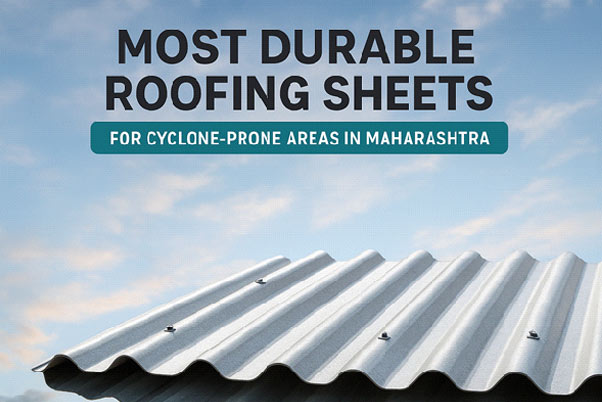
Understanding the Impact of Cyclones on Roofing
Cyclones bring more than just high-speed winds. They carry salty moisture, debris, and prolonged rainfall, all of which can cause serious damage to substandard roofing systems. The three main threats to roofing in cyclone-prone areas include:
- Uplift Pressure: Strong winds create a vacuum effect beneath roof panels, lifting and detaching them from the structure.
- Corrosion: Coastal air contains salt and humidity, accelerating rust and weakening the sheet's lifespan.
- Water Ingress: Heavy rainfall, combined with pressure variations, can force water into roof joints and screws, leading to leaks.
Thus, any roofing material used in such environments must be wind-resistant, corrosion-proof, and securely fastened.
Top Durable Roofing Sheet Materials for Cyclone-Prone Areas
1. Galvalume Roofing Sheets
Galvalume sheets are one of the most preferred options in Maharashtra's coastal regions due to their superior corrosion resistance. These sheets are made of steel coated with an alloy of aluminum (55%), zinc (43.5%), and silicon (1.5%).
Why Galvalume Works Best
- Corrosion Resistance: The aluminum-zinc coating prevents rust, even in high-humidity areas.
- Wind Resistance: When properly fastened, Galvalume sheets can withstand wind speeds up to 150 km/h.
- Long Lifespan: Typically lasts over 40 years with minimal maintenance.
- Reflective Surface: Reduces heat absorption, making homes cooler in hot coastal climates.
Best suited for: Industrial warehouses, residential roofs in Konkan region, and coastal resorts.
2. Colour-Coated Metal Roofing Sheets
Colour-coated sheets, often made from Galvanized or Galvalume steel, combine aesthetics with durability. The paint coating acts as an additional protective barrier.
Advantages
- Aesthetic Appeal: Available in a variety of colors that blend with the environment.
- Double Protection: The paint and base metal together fight corrosion and UV degradation.
- Energy Efficient: Light-colored sheets reflect sunlight, reducing indoor heat.
- Flexible Design: Ideal for both sloped and flat roof designs.
Best suited for: Coastal homes, farmhouses, and modern architectural projects in cities like Alibag, Ratnagiri, and Dapoli.
3. FRP and Polycarbonate Sheets (for Skylights & Partial Roofing)
While not typically used for the entire roof, Fiberglass Reinforced Plastic (FRP) and Polycarbonate sheets are excellent for skylight integration. They're lightweight, flexible, and impact-resistant.
Advantages
- Weatherproof: Can withstand high wind speeds and do not rust.
- Light Transmission: Allows natural light without compromising on strength.
- UV Protected: Modern polycarbonate sheets come with UV-blocking layers.
Best suited for: Industrial sheds, greenhouses, and areas requiring partial natural lighting.
4. PVC Roofing Sheets
PVC (Polyvinyl Chloride) roofing sheets are non-corrosive, waterproof, and lightweight, making them suitable for regions exposed to heavy rain and salty air.
Advantages
- 100% Rust-Free: Perfect for coastal environments.
- Resistant to Chemicals and Salt: Ideal for factories or beachside structures.
- Easy Installation: Lightweight and simple to fasten
Best suited for: Coastal farmhouses, small warehouses, and temporary structures in cyclone-prone zones.
5. Corrugated Metal Roofing Sheets
Corrugated sheets are known for their wave-like pattern, which adds rigidity and reduces the risk of uplift during strong winds.
Advantages
- Structural Strength: The corrugated shape disperses stress efficiently.
- Affordable and Durable: Long-lasting with minimal upkeep.
- Excellent Water Drainage: Prevents water stagnation during monsoons.
Best suited for: Agricultural sheds, workshops, and budget-friendly roofing solutions in windy regions.
Comparative Table: Best Roofing Sheets for Cyclone-Prone Areas
| Type | Durability | Wind Resistance | Corrosion Resistance | Best For |
|---|---|---|---|---|
| Galvalume Sheet | ★★★★★ | ★★★★★ | ★★★★★ | Coastal and industrial areas |
| Colour-Coated Sheet | ★★★★☆ | ★★★★☆ | ★★★★☆ | Homes and resorts |
| FRP/Polycarbonate Sheet | ★★★☆☆ | ★★★★☆ | ★★★☆☆ | Skylights, partial roofing |
| PVC Sheet | ★★★★☆ | ★★★★☆ | ★★★★★ | Temporary structures |
| Corrugated Sheet | ★★★★☆ | ★★★★★ | ★★★☆☆ | Budget projects |
Key Features to Look for in Cyclone-Resistant Roofing
When choosing a roofing sheet for cyclone-prone areas in Maharashtra, ensure it meets the following specifications:
- High Tensile Strength: Choose sheets with tensile strength above 550 MPa to withstand high-speed winds.
- Anti-Corrosion Coating: A protective layer like Galvalume or PVDF coating ensures resistance against rust.
- Secure Fastening System: Use cyclone-resistant clips, screws, and sealing washers to prevent uplift.
- Proper Roof Slope: Ideal slope range: 10-15°. This reduces wind pressure and ensures smooth water drainage.
- Reinforced Purlins and Trusses: Strengthen the supporting framework to hold the sheets firmly during storms.
Roof Installation Tips for Cyclone-Prone Regions
- Use Sealants: Apply waterproof sealant under the overlaps to prevent leakage.
- Edge Protection: Secure all edges with flashing to avoid wind entry points.
- Screw Placement: Screws should be installed on the crest of corrugations, not the valleys.
- Regular Maintenance: Check fasteners annually, especially after monsoons or high winds.
Why Galvalume Remains the Top Choice in Maharashtra
Among all options, Galvalume roofing sheets stand out due to their exceptional balance of strength, rust resistance, and cost-effectiveness. Their ability to handle Maharashtra's humid, salty, and windy coastal conditions makes them a long-term investment.
In addition, Galvalume sheets have:
- Thermal efficiency, reducing heat in homes.
- Fire resistance, unlike certain polymer-based materials.
- Eco-friendliness, as they are fully recyclable.
These qualities make them ideal for cyclone-prone zones such as Alibag, Ratnagiri, Sindhudurg, and Navi Mumbai.
Maintenance Checklist for Long Roof Life
To ensure durability, follow these simple maintenance tips:
- Clean debris and salt deposits twice a year.
- Check for loose screws or rust spots post-monsoon.
- Avoid walking on the sheets unnecessarily to prevent dents.
- Apply protective coating every 8-10 years for extended lifespan.
Cyclone-prone areas in Maharashtra require more than just roofing — they need resilience. The right roofing sheet can make all the difference between costly damage and long-term peace of mind.
For most homeowners and industries, Galvalume and Colour-Coated Metal Roofing Sheets offer the best protection. Their superior strength, resistance to corrosion, and long lifespan make them the most durable roofing options for coastal Maharashtra.
When paired with professional installation and routine maintenance, these sheets can safeguard your property for decades — ensuring comfort, safety, and value.
Durable roofs save not only your structure but also your peace of mind. Investing in high-quality, cyclone-resistant roofing sheets ensures that your property in Maharashtra stays secure — no matter what nature throws at it.
FAQs
Q1. Which roofing sheet lasts the longest in Maharashtra's coastal climate?
A1: Galvalume sheets last the longest — up to 40–50 years — thanks to their aluminum-zinc coating that prevents rust and corrosion, even in high-humidity coastal zones.
Q2. Can metal roofing sheets withstand cyclone-level winds?
A2: Yes. High-tensile metal sheets with secure cyclone fasteners can resist winds of over 150 km/h. The key is proper installation with reinforced trusses and anti-lift screws.
Q3. How often should I maintain my roof in cyclone-prone areas?
A3: It's advisable to inspect and clean the roof twice a year — before and after the monsoon. Prompt repairs and routine cleaning extend the roof's lifespan significantly.