

Traditional vs Modern Roofing: Best Options for Homes
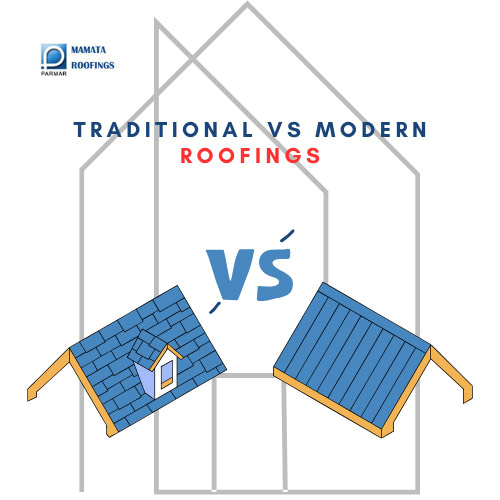
Roofing Choices That Define Goa's Heritage
Goa's heritage homes are not just residential structures—they are living reminders of history, culture, and craftsmanship. From Portuguese-era mansions with sloping roofs to charming Indo-Portuguese villas adorned with red tiles, roofing plays a vital role in defining the identity of these homes. Choosing the right roofing material is not merely a construction decision; it is a balance between preserving authenticity and embracing modern performance.
With changing climate conditions, rising maintenance costs, and evolving lifestyle needs, homeowners today often find themselves debating traditional roofing versus modern roofing solutions. Should one stay loyal to time-tested materials like clay tiles, or is it practical to adopt modern roofing sheets that offer enhanced durability and efficiency?
This blog explores both approaches in depth, helping homeowners in Goa make informed roofing decisions that respect heritage while meeting contemporary demands.
Understanding Goa's Heritage Architecture and Roofing Needs
Unique Architectural Identity of Goan Homes
Goa's heritage homes are characterized by:
- Steeply sloped roofs
- Wide overhangs to protect walls from monsoon rains
- Clay-tiled or laterite-supported roofing structures
- High ceilings for natural ventilation
These features evolved in response to Goa's tropical coastal climate, which brings intense rainfall, humidity, and heat.
Climate Challenges That Roofing Must Withstand
Any roofing solution in Goa must handle:
- Heavy monsoon rainfall
- High humidity leading to moss and algae growth
- Saline coastal air that accelerates corrosion
- Strong winds during storms
Whether traditional or modern, roofing materials must be selected with these environmental conditions in mind.
Traditional Roofing Options for Heritage Homes in Goa
Traditional roofing has been used for centuries, not only for its aesthetic appeal but also for its natural climate adaptability.
1. Clay Roof Tiles (Mangalore Tiles): Clay tiles are the most iconic roofing material in Goa.
Advantages
- Excellent thermal insulation
- Natural ventilation due to overlapping design
- Timeless heritage appearance
- Environmentally friendly and recyclable
Limitations
- Susceptible to breakage
- Requires periodic replacement
- Higher maintenance during monsoon seasons
- Heavier load on roof structure
Despite these challenges, clay tiles remain a preferred choice for homeowners who value authenticity and cultural preservation.
2. Country Tiles and Handcrafted Tiles: Handcrafted country tiles were traditionally made using local clay and fired in kilns.
Why they were popular:
- Locally available materials
- Affordable in earlier times
- Rustic and traditional charm
Current challenges:
- Limited availability today
- Inconsistent quality
- Higher labor costs for installation
These tiles are now mostly used in restoration projects rather than new constructions
3. Laterite-Supported Roofing Systems: Laterite stone structures paired with tiled roofs were common in heritage homes.
Benefits:
- Strong load-bearing capacity
- Natural insulation
- Long-lasting structural integrity
However, the roofing material on top still determines overall durability and maintenance.
Modern Roofing Solutions Suitable for Goa
Modern roofing materials have evolved to address durability, cost efficiency, and climate resistance while offering design flexibility.
1. Colour-Coated Metal Roofing Sheets
These sheets are gaining popularity even among heritage homeowners when aesthetics are carefully managed.
Advantages:
- Lightweight yet strong
- Resistant to heavy rain and wind
- Low maintenance
- Faster installation
- Available in tile-like profiles
Consideration for heritage homes:
With the right colour and profile selection, metal roofing can visually blend with traditional architecture while offering superior performance.
2. Galvalume Roofing Sheets
Galvalume roofing sheets combine aluminium and zinc coatings for enhanced corrosion resistance.
Why suitable for coastal Goa:
- Excellent resistance to salty air
- Longer lifespan compared to conventional metal sheets
- Reflects heat, keeping interiors cooler
These sheets are ideal for homeowners seeking longevity without compromising structural safety.
3. Modern Tile-Profile Roofing Sheets
Tile-profile roofing sheets replicate the look of traditional clay tiles while using modern materials.
Key benefits:
- Heritage-like appearance
- Reduced weight
- Minimal breakage risk
- Lower long-term maintenance
This option is increasingly chosen for heritage-inspired renovations.
4. uPVC and Composite Roofing Sheets
While not traditionally used in heritage homes, these materials offer:
- High resistance to moisture
- Noise reduction during rain
- Thermal insulation
They are more suitable for secondary structures like verandas or extensions.
Traditional vs Modern Roofing: A Detailed Comparison
| Factor | Traditional Roofing | Modern Roofing |
|---|---|---|
| Aesthetic Appeal | Authentic heritage look | Customisable heritage-style designs |
| Durability | Moderate | High |
| Maintenance | High | Low |
| Installation Time | Long | Short |
| Weight | Heavy | Lightweight |
| Climate Resistance | Natural but limited | Engineered for extreme conditions |
| Cost Over Time | Higher due to repairs | More cost-effective |
Preserving Heritage While Adopting Modern Roofing
Many homeowners believe modern roofing compromises heritage value. However, with careful planning, both can coexist
Blending Tradition with Technology
- Use tile-profile metal sheets in traditional colours
- Maintain original roof slopes and overhangs
- Preserve architectural detailing like wooden fascia boards
When to Choose Traditional Roofing
- Government-protected heritage properties
- Restoration projects requiring historical accuracy
- Homes with existing strong roof structures
When Modern Roofing Makes Sense
- Frequent repair issues with clay tiles
- Structural load concerns
- Budget constraints
- Coastal exposure requiring corrosion resistance
Cost Considerations for Goan Homeowners
Initial costs may differ, but long-term expenses matter more.
Traditional roofing often appears affordable initially but involves:
- Frequent tile replacement
- Higher labour costs
- Ongoing maintenance
Modern roofing solutions offer:
- Predictable long-term costs
- Minimal upkeep
- Longer replacement cycles
For informed decision-making, homeowners should reach Mamata Roofings to assess structural compatibility and material performance.
Sustainability and Environmental Impact
Traditional roofing materials are naturally sustainable, but modern roofing is catching up through:
- Recyclable metals
- Energy-efficient coatings
- Reduced material wastage
Choosing sustainable roofing contributes to both heritage preservation and environmental responsibility.
Final Verdict: What's Best for Goa's Heritage Homes?
There is no one-size-fits-all answer.
- Choose traditional roofing if heritage authenticity is your top priority and maintenance is manageable.
- Choose modern roofing if durability, cost efficiency, and climate resistance matter more.
- Choose hybrid solutions to enjoy the best of both worlds.
The ideal roofing choice respects Goa's architectural soul while preparing homes for future challenges.
FAQs
Q1. Can modern roofing be used on heritage homes in Goa?
A1: Yes, modern roofing with tile-profile designs and suitable colours can be used without compromising heritage aesthetics.
Q2: Which roofing material lasts longer in Goa's climate?
A2: Modern metal and galvalume roofing sheets generally last longer due to corrosion resistance and weather durability.
Q3: Is traditional clay tile roofing still practical today?
A3: It is practical for heritage preservation but requires higher maintenance and skilled installation.